Article: 5 Things Kids Need to Hear When They Feel Overwhelmed
5 Things Kids Need to Hear When They Feel Overwhelmed
How to help kids regulate emotions in the moment.
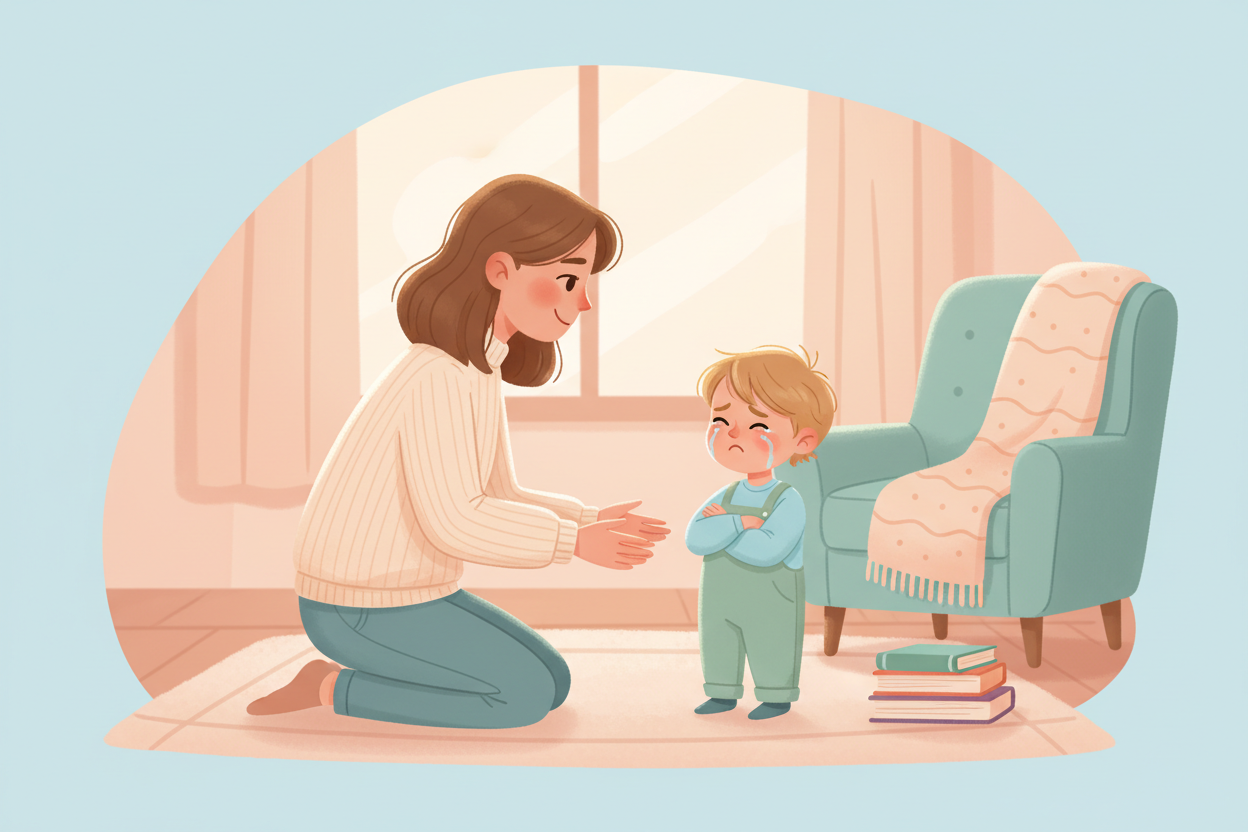
We've all been there. Your child is melting down over something that seems small — a lost crayon, a hard math problem, a shirt that feels "wrong" — and you're standing there wondering what on earth to say.
The truth is, in those overwhelmed moments, kids don't need a lecture. They don't need a consequence. They need to feel safe, seen, and reminded of their own strength.
Here are five simple phrases that can make a huge difference when big feelings hit.
1. "I can try again."
Overwhelm often comes hand-in-hand with the belief that failure is permanent. When kids hear — and eventually say — I can try again, it breaks that cycle. It reminds them that one hard moment doesn't define the outcome. This is the seed of resilience, planted one gentle phrase at a time.
2. "Mistakes help me learn."
Nobody — not kids, not adults — handles mistakes gracefully when they're flooded with emotion. But when we normalize mistakes as part of learning rather than proof of failure, something shifts. This phrase is especially powerful for perfectionist kids or those who shut down when things get hard.
3. "I am safe right now."
When a child is overwhelmed, their nervous system genuinely believes there's a threat. Their brain is in fight-or-flight. Grounding them in the present moment — right now, you are safe — helps their body start to regulate. It's simple. It's physical. And it works.
4. "Big feelings will pass."
Feelings feel permanent when you're inside them. Especially to a child who doesn't yet have the language or experience to trust that the storm will end. Repeating this phrase — calmly, consistently — teaches kids emotional impermanence. The big feeling is real. AND it will pass.
5. "I can ask for help."
This one might be the most important of all. So many kids (and adults) white-knuckle their way through hard moments alone because asking for help feels like weakness. When we normalize "I can ask for help" as a strength — not a failure — we give kids one of the most valuable tools they'll carry for life.
How to Use These Phrases
You don't have to wait for a meltdown to introduce these. Practice them during calm moments — at dinner, in the car, at bedtime. Turn them into a little ritual. The more familiar they feel in peace, the more accessible they'll be in the storm.
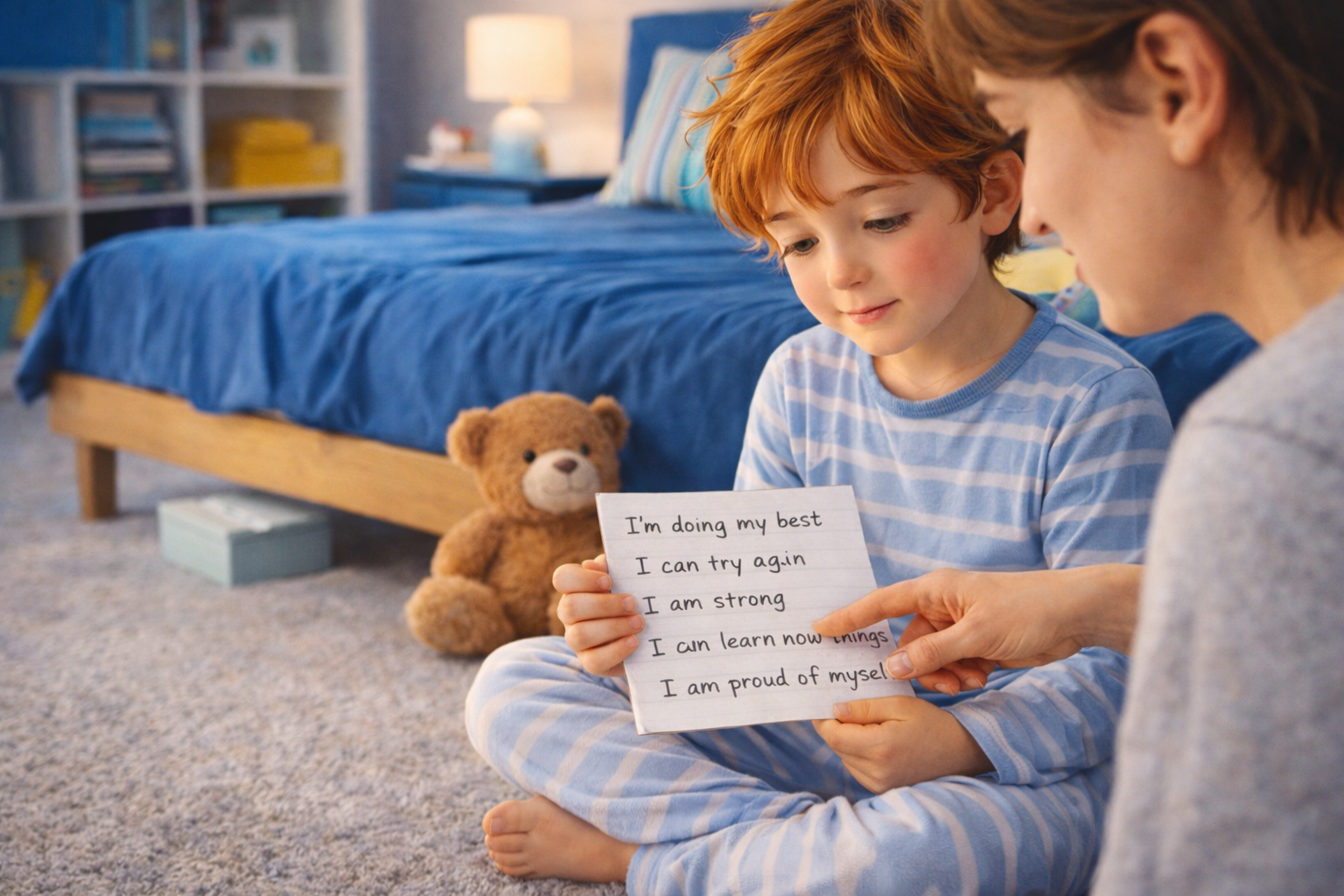
You can even write them on a card and put it somewhere your child can see it. When big feelings hit, sometimes just pointing to the list is enough.
At Chase's Big Feelings, we believe that emotional wellness starts with the words we give our kids — and ourselves. Want more tools for helping your child navigate big emotions? Explore our books and resources at chasesbigfeelings.com.